Juneteenth Reading List 2026
As we approach the span between Juneteenth and Fourth of July, I propose the following three books as a reading list to spend time thinking about race, enslavement, and freedom.
White Fragility: Why It’s So Hard for White People to Talk about Racism by Robin DiAngelo (2018)
As a white person, I found it helpful to think about institutional racism and how it affects my actions and thoughts and how I might change that. DiAngelo confronts the defensive attitude that white people tend to adopt when confronted with race or racism and challenges readers to change that reaction.
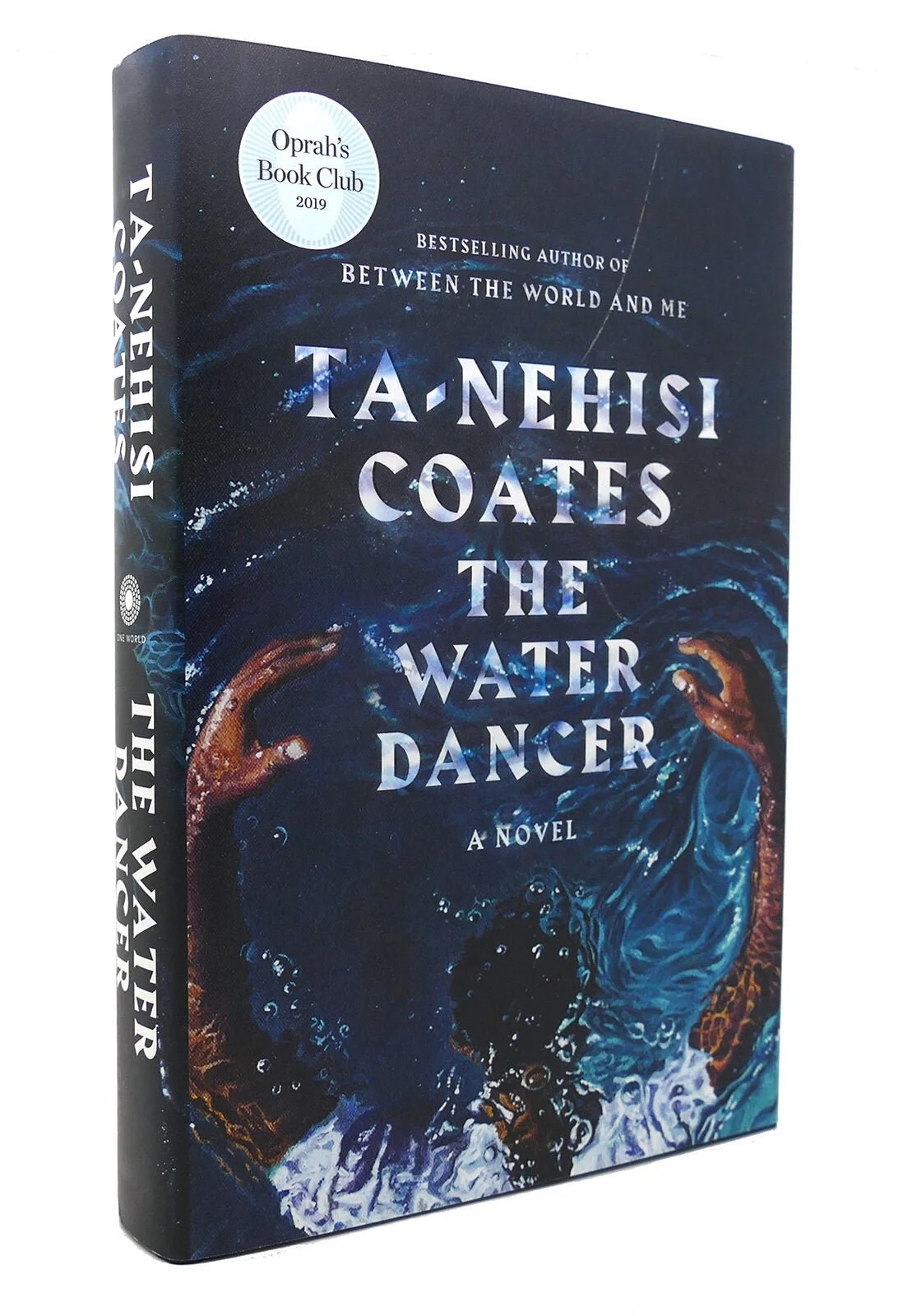
The Water Dancer by Ta-Nehisi Coates (2019)
A story of enslavement where people are divided into three groups: Tasked (enslaved), Quality (high-class owners), and Low (other whites whom Quality looks down upon). Hiram is the son of a Tasked mother (long deceased) and Quality father. He has a remarkable memory, which his father exploits as a party trick. Hiram discovers that he has a power beyond his memory, that of Conduction, the ability to use stories to transport from one place to another. He seeks to use this skill alongside other members of the Underground to help the Tasked gain their freedom.
James by Percival Everett (2024)
This book was the recipient of the 2024 Kirkus Prize, the National Book Award for Fiction, and the 2025 Pulitzer Prize for Fiction. I listened to it as an audiobook, narrated by Dominic Hoffman, and it totally lived up to the hype. The novel is a retelling of Mark Twain’s Adventures of Huckleberry Finn from the perspective of Jim. I found Jim’s/James’s world engrossing. Little details stuck with me — the way he taught his children to speak in a dialect to white people different from how they spoke at home, the survival skills he utilized when on the run. While it follows the outline of Huck Finn, it tells its own tale of love, loss, and freedom.